Stray dogs rest and roam on a bustling street filled with shops and t
In recent months, many families across Tamil Nadu have become increasingly concerned by the growing number of dog bite incidents and rabies deaths reported in the news. According to the media, in just the first few months of 2026, lakhs of dog bite cases were recorded in the State. Behind every statistic lies a human story — a frightened child, an anxious parent, an elderly person hesitant to step outdoors, or a family moving from one hospital to another seeking treatment.
Conversations about stray dogs often become emotional and divided. Some people feel fearful and angry because of attacks in their neighbourhoods. Others feel compassion for animals that live hungry and neglected on the streets. Both reactions are understandable. Human safety is important, but kindness towards animals is also part of a humane society.
The stray dog problem did not arise overnight. It has gradually grown alongside rapid changes in our towns and cities. Overflowing garbage bins, exposed food waste, abandoned pets, and weak implementation of animal birth control programs have all contributed to the increase in stray dog populations. Dogs naturally gather where food is easily available, and many of our streets unintentionally provide that environment.
Local bodies are attempting to address the issue through sterilization surgeries and vaccination programs, but these efforts are often limited by shortages of staff, funding, and veterinary infrastructure. As a result, the scale of the problem frequently outpaces the available solutions.
For many people, the impact is now part of everyday life. Parents worry about children playing outdoors. Elderly people feel uneasy walking alone early in the morning or after dark. Delivery workers, sanitation workers, and street vendors regularly encounter aggressive dog packs while carrying out their work. Social media further amplifies public anxiety whenever disturbing videos or reports circulate widely.
Alongside public concern, there is also a need for greater awareness about rabies itself. Rabies is a painful and always fatal, but it is almost entirely preventable if treated early. After any dog or animal bite, immediate action is crucial. The wound should be washed thoroughly with soap and running water for several minutes, and medical care should be sought without delay. Anti-rabies vaccines are highly effective when given on time.
Unfortunately, many people still ignore small bites or scratches, especially when the animal appears healthy or familiar. Others discontinue treatment after the first injections because they begin to feel normal again. Such delays can have tragic consequences because once rabies symptoms appear, treatment becomes extremely difficult.
Children are particularly vulnerable because they may not understand the seriousness of a bite or may hide injuries from adults. This is why schools, families, and communities must actively create awareness about rabies prevention and safe behaviour around animals.
It is also important to remember that dogs are not the only animals capable of spreading rabies. In India, monkeys, cats, bats, foxes, jackals, and other infected animals can occasionally transmit the disease. Monkey bites in tourist areas and temple surroundings are becoming increasingly common in some places. At the same time, many people today notice monkeys appearing not only in villages near forests, but also in urban apartment complexes and residential areas. Shrinking habitats, easy access to food waste, and human feeding habits are gradually drawing wild animals closer to everyday human life. Any animal bite or scratch should therefore be taken seriously.
The solution to this growing challenge cannot come through fear or anger alone. Experience from many countries shows that simply removing or killing stray dogs does not solve the problem permanently. Unless garbage management improves and dog populations are controlled through vaccination and sterilization surgeries, new animals soon return to the same areas.
India needs a balanced, practical, and humane long-term approach. Public spaces must be kept cleaner, veterinary services strengthened, and sterilization surgeries programs expanded consistently. More dogs need to be vaccinated against rabies, and awareness programs should become part of school education and community health efforts.
Ordinary citizens also have an important role to play. Pet owners must vaccinate and sterilise their animals responsibly. People who feed stray dogs should do so thoughtfully while supporting vaccination and sterilization surgeries efforts wherever possible. Communities need to practise both compassion and caution.
Perhaps this issue also raises a deeper question about the kind of society we wish to become. A healthy society should be safe for children, respectful towards the elderly, compassionate towards animals, and responsible in maintaining public spaces. Human safety and kindness towards living creatures do not have to stand in opposition to each other.
Rabies deaths are especially painful because they are largely preventable. No child should lose life because a small bite was ignored. No family should live in constant fear because systems failed to function properly. With greater awareness, stronger public health measures, responsible citizenship, and humane long-term planning, India can significantly reduce both dog bites and rabies deaths.
The answer will not come through blame or hostility, but through awareness, cooperation, and shared responsibility.
There are moments in life when words fail, when explanations fall away, and only presence remains. It is in such moments that one discovers who truly stands with us.
Sangeetha remembers two such moments.
One was Achan O.
He was the chaplain during her undergraduate years—a man with a compassionate posture and deeply caring eyes. There was a quiet gravity about him, even within his approachable presence. He was a father to many, transcending their different identities.
At that time, she was facing a painful situation. A strong, determined woman opposed her desire to marry her son. This woman, a single parent, had raised her children through dire poverty, educating them into remarkable professions—a doctor, an engineer, and another theologian. Sangeetha herself was not Indian, but she believed she was worthy: a doctor, spiritually inclined, and, she hoped, kind. She had dreamed of a shared life of service with the theologian—building congregations, offering both spiritual and physical healing together. He, however, felt trapped—a dutiful son obeying his mother while turning away from the woman he loved.
Achan understood.
She had already lost her father, and her mother was in another country. Perhaps he saw the vulnerability beneath her resolve. He went to great lengths to intervene, reaching out through a colleague—a theological college principal closely related to the family.
When he returned and met her, he did not speak many words. He simply shook his head.
It had not worked.
But what remained etched in her memory was this: his eyes filled with tears when he saw hers. He did not try to explain or resolve her grief. He simply shared it—as a father would, bearing her pain with her.
The other moment came nearly twenty-eight years later.
This time, it was her daughter.
Her daughter was kind, beautiful inside and out, empathetic and gifted, just finishing college. She had chosen to marry a man who was glamorous, handsome, and captivating—raised abroad, shaped by different values, and not yet employed. Sangeetha had come to see that he was not who he appeared to be. She feared he would not care for her precious girl as a truthful, responsible husband should. She feared he would hurt her.
But her daughter could not see it.
Smitten by love, and carrying her own struggles as a teenager , she was determined. Sangeetha’s husband, withdrawn, angry, and harsh in his responses, could not help either of them. In the end, the parents yielded—she was resolute, and his family stood firmly by her side.
After the wedding service—a beautiful one—the couple stood on the stage, receiving guests. The bride was radiant, glowing with happiness.
Sangeetha stood near the steps to the stage, her heart heavy with unspoken fears.
A pastor, Rev. V, came and stood beside her. One word led to another, and soon her guarded thoughts gave way. She began to cry.
And as he listened—truly listened—he too wept.
It is difficult for Sangeetha not to remember these two pastors—these two fathers in the faith—who, in her moments of deepest pain, chose not to stand apart, but to step into it with her.
When she cried, they cried.
There were, no doubt, others who sensed her heaviness, who cared in their own way, who perhaps even prayed for her. Their concern was real, and she remains grateful.
But these two men did something unwarrantedly special.
They did not remain at the surface of sympathy. They entered the depth of the moment. They allowed themselves to feel the weight of what she was carrying—the helplessness of a love that could not be fulfilled, the quiet dread of a future she feared for her child. They did not rush to advise, correct, or console with easy words. They simply stayed.
And in staying, they shared.
There is a kind of ministry that speaks, teaches, and leads. But there is another—quieter, costlier—that listens, absorbs, and weeps. It asks for no recognition, offers no solutions, and yet brings a profound kind of healing.
Their tears were not an obligation of their calling. They were the overflow of hearts that had chosen to be present—to be vulnerable, to be human with another in pain.
In those moments, she was not alone.
And even now, when memory returns to those tender and troubled places, it is not only the pain she recalls—but the quiet grace of having been accompanied through it.
She stood clutching the blood report, Her face etched with anguish, fear, and pain. At seventeen, young and beautiful, full of dreams, She married her sweetheart.
Life was bliss—a daughter to cherish, His business thriving as an autorickshaw driver In a town shadowed by a red-light district, Where brothels stood amidst the auto industry.
Now, she was pregnant again, Yet the joy was drowned in a wave of anguish. Bursting into the clinic, sad and furious, Her cries broke into uncontrollable sobs.
The truth was undeniable— She was HIV-positive. Dreams shattered, her future a question mark. What of her daughter? What of the baby she carried?
The agony was unbearable. Her beloved, the one she trusted most, Had betrayed her in the cruelest way. How could he? Didn’t he care?
Was it fear of the disease? Or fear of her knowing? His silence had brought destruction To their family, their lives, their love.
Behind Chennai’s gleaming high-rises and bustling flyovers lies another city — a maze of narrow lanes, crumbling walls, and the smell of open drains. Here live thousands of elderly women who once held their families together through hunger, hardship, and heartache. Today, they are invisible.
In 2011, Chennai’s slums were home to 1.39 million people; in Greater Chennai, the number was closer to 6.75 million. Among them are countless women who are, in spirit, the ranees— not for their gold or wealth, but for the lifetimes they poured into nurturing others. It is said, “Yatra nāryastu pūjyante ramante tatra devatāḥ” — “Where women are honoured, there the angels rejoice.” Yet, in today’s Chennai, too many of these women live in quiet desperation, forgotten by the children they raised and ignored by the state except for empty slogans.
They carried the weight of life on their backs: cooking, cleaning, raising children, earning for the household — often while enduring abuse from alcoholic or violent husbands. Some somehow found the strength to send children to school. But now, frail with age and illness, they can no longer work. Many are treated as burdens in the very homes they built.
Most of these women came to Chennai decades ago, pushed out of their villages by failed crops, dry wells, and debts they could not repay. In the 1960s and 70s, women like Lakshmi arrived with no education, no skills beyond farming, and no safety net. They took up work as domestic helpers, construction labourers, roadside vendors. Home was a rented room with leaky roofs and no security. A few clung to their ration cards for rice and sugar; many lost them. No matter how hard they worked, they never rose above survival.
Chennai’s slums exploded in number — from 306 in 2001 to 2,173 by 2014, many along railway tracks, garbage dumps, or open drains. Between 2014 and 2018, unsafe settlements increased by 92%. With them grew the constant fear of eviction.
Dhanalakshmi, a temple helper, lives this reality. Her “house” is an eight-by-ten-foot room shared with another destitute woman, perched next to a sewage treatment area. No toilet, no privacy — just a lock on the door at night. She eats at the “Amma Canteen” and uses an open field as her toilet. “It’s not life,” she says quietly. “It’s just staying alive.”
With no collateral for formal loans, these women fall prey to moneylenders charging up to 12% daily interest or 5% monthly, compounded. Illness, funerals, or emergencies force them into borrowing they can never repay. Vimala calls it “my lifeline and my noose.” One loan pays for her medicine; another pays the first loan’s interest. The debt never ends.
Widowhood often comes early here, claimed by alcoholism, untreated illness, or sheer overwork.
Bhuvana, widowed in her thirties, remarried a younger man who demanded she undo her sterilisation for his child. She agreed, but he soon abandoned her. Now she sells vegetables to feed him, while her own children go hungry.
Raji’s parents married her to a man with severe mental illness. He disappears for years at a time. She survives by selling flowers, still wearing the kumkum and mangalsutra to keep the fragile dignity of being “married” — though her marriage is only an empty title.
These women started working as teenagers — sweeping streets, cooking in others’ homes, selling flowers, hauling bricks. Every rupee they earned went to their children’s food, clothes, or marriages. Many paid dowries they could not afford. Now, in their twilight years, they find themselves alone. Illness keeps them indoors. Rent devours what little money they get. Some adult children live nearby but never visit. Saroja asks, “Am I not worth a meal, a helping hand, or a visit to the doctor at this stage of my life?”
As Tamil saint Thirumoolar said, “பெண்மையின் பெருமை அறிந்தார் பெருமான்” — “Those who understand the greatness of womanhood are truly great.” Yet that greatness is now overlooked.
Its time we opened our eyes, acted and advocated change These voices cannot remain hidden in the shadows. They must be seen, valued, supported — through affection, counsel, self-esteem building, and the joy of sisterhood in support groups. Old-age pensions, safe housing, and healthcare should not be luxuries — they are rights. Laws protecting the elderly must be enforced, not just written. Housing, healthcare, and access to government schemes are the urgent need of the hour.
The Lakshmis of Chennai have lived lives of courage, endurance, and love. They endured hunger, abuse, and hard labour, yet they kept families together. Now, they ask for so little: a safe corner to sleep, a warm meal, a gentle hand in sickness, and the dignity they should have had all along. This is not charity. This is justice. A city that has taken their labour and love owes them more than fading memories and empty praise. We must demand — and deliver — pensions that cover real needs, safe and affordable housing, accessible healthcare, and protection from abuse. We must create networks where no elderly woman feels invisible or alone.
Every visit, every meal, every small act of recognition is a thread in the net that can keep them from falling through the cracks. As Swami Vivekananda reminded us, “There is no chance for the welfare of the world unless the condition of women is improved.” Chennai cannot call itself a great city while its mothers die unheard in its slums. If we fail them in these years, we fail them forever
Bindu is the sister of my high school classmate. We had common friends and family. So, when I met Bindu at church in India some years ago, I was glad. She brought back memories of my childhood , of family, of place, of belonging.
Bindu was beautiful—warm, smiling, gracious. She invited me many times to her home. I promised to go, but I kept postponing. Years passed. She lost her husband a few months ago, and even then, I did not visit. I would remember her often, but I did not know where she lived, and I did not make the effort to find out and go.
Yesterday, I heard that Bindu had passed away that morning. That was sudden. Something tugged at my heart. A deep remorse settled within me. I had not cared enough to look her up, to sit with her, to share memories of her motherland, to offer companionship in her loneliness.
This morning, I went to see her mortal remains. She was as beautiful as ever, lying there in quiet peace. I paid my respects and returned. There were hardly other people then. Then another friend dropped in.
While there, I met her sons—now middle-aged men. They seemed to have come to terms with their loss. There was conversation, but it was light, almost casual. We introduced ourselves, tracing relationships, “How do you know my niece?” “How are you related?” There was mention of their school , of WhatsApp groups, of connections that somehow felt distant from the moment.
Her relatives from abroad had not yet arrived. There was no hush, no stillness. No hymns were being sung. No stories. No quiet gratitude. No name of who she had been. Had it been in her homeland there would have been more than a crowd mourning her passing away.
And I stood there thinking—here is a precious life that has ended. She, Bindu had lived fully. She was the daughter of a respected Principal of a famous school . She
had known friendship, laughter, marriage, and motherhood. She had raised her sons and seen her grandchildren. And yet, there was so little remembrance in that space.
When I lost my sister two years ago, it was different. Grief sat heavily on us. We spoke of her, we remembered her, we held her presence among us even in her absence. But here, I missed that here. .It’s not that my love for my sister was more than the love this family had for their mother.
Perhaps this is how some grieve—quietly, without display. Or life itself had already created a distance that no one quite knew how to bridge.
And I began to wonder—
Is this what happens to some of us as we grow older?
Life slowly thins out. Circles grow smaller. Loss follows loss. And somewhere along the way, a person who once stood at the centre of many lives begins to stand at the edge.
Not because they are less loved, but because life has moved on.
Visits are postponed. Calls are delayed. Intentions remain intentions.
Until one day, it is too late.
Too late to sit together. Too late to listen. Too late to remember aloud.
I wondered about her last days. She had a heart condition but did not pursue investigations or treatment. Was it financial constraint? Was it weariness? Was it loneliness? I do not know. I didn’t find out.
And yet—how can I even ask these questions? She may not have missed me at all. But still—
I, who did not take the trouble to visit her. I, who did not make the time to know her more deeply.
My sister and I started attending a new school In Sri Lanka, (Ceylon) when we were quite young. I was in grade 3 and my sister was just starting school when we were admitted to a convent Catholic school run by great nuns.
Unfortunately we did not have any transportation from the tea estate to the school. This walk through the estate, then through the tunnel and then through other tea estates took us about a whole hour. We would leave home around 7:00 AM, to be in school when it started at 8:00 AM. The scariest part was that we had to go through a long railway tunnel that had no lighting at all. It was about half a mile long and was calved under a hill called Singe Malay. Since it curved in the middle, it was pitch dark most of the way.
At the beginning we had men helpers who had lighting with them, to take us to school. They would travel back to school to take us back home. So we managed the long distance without any serious problems. We had lighting with what my father constructed specially for us. We lit them with matches which we carried with us. Eventually we did manage to walk with other girls who were also attending the same school. They had long sticks just to feel where the iron rails were. If these were not available, one would walk on the rail while two others would hold onto them and walk beside them. There were about 13 of us altogether when we were returning from school. If we heard any footsteps coming from the opposite direction, we would say, “Aalay” to alert the person coming closer. Then we would step aside to let the others pass. This was all done in the darkness of the tunnel. In the mornings we could not walk together because we were from different families and started at different times. Eventually, I did got used to walking to school with my sister without any lighting.
Occasionally a train with coal engine would go through the tunnel. We managed to learn where there would be additional space on the sides where we could safely stand. Sometimes our white long-sleeved blouses would touch the sides filled with black soot. One welcome thing was that there were little streams of water flowing from a height on both ends of the tunnel. We usually drank this water to refresh ourselves.
One Saturday I had to attend an event or meeting where my sister was not participating. No helper was available to accompany me. When my parents asked me if I could manage it, I said, “Yes.” I was around 9 years old then. But I was very scared to go by myself. But I started walking through the tunnel. After a little while, I heard footsteps coming in the opposite direction. I called out ‘aalay’ and stopped to let the person pass. I heard a male voice and heard him stop near me. He asked me where I was going and I answered him. He immediately picked me up and started walking in the direction I had to go. It was opposite direction to where he was going. When he came close to the end of the tunnel where there was some sunlight, he gently put me down. I walked a few steps and then turned back to look at the person who had carried me. I should have seen him walk away. But I could not. He had vanished! I continued walking while I wondered how he went away so quickly.
Many years later I realized that it must have been an angel who came to help me when I was so afraid. GOD IS OUR HELP IN TROUBLE.
Sharing one’s life story is daunting. Who am I to do this when hundreds have lived lives much more worthy of emulation? I do realize, though, that God had used even me from humble beginnings , guided and blessed me with opportunities denied to many and enabled me to change some lives. The chain goes on.
My mother Dr. Aruliya Manickavasagam belonged to one of the early batches from CMC. She as a single woman, had been travelling day and night in bullock carts, attending to obstetric emergencies and other health needs, with bare minimum facilities in the thirties. She had migrated to Sri Lanka because of her marriage. Her life wasn’t a bed of roses but with patience, humility and strong faith in her maker she led the way. Serving God and people around was the purpose of our lives as we were told. This resolve was strengthened and fuelled by the anecdotes she shared with me about her years in CMC and challenging period in Madurai, and Theni districts in Tamilnadu. No wonder I wanted to follow in her footsteps.
I had begun my career in 1969 when CMC Vellore, decided to admit me for the MBBS course. My father an activist for human rights and a renowned builder in Jaffna had expired just a month earlier
My undergraduate years at CMC did not just teach me medicine alone. It imprinted in my mind, values of humility embodied in my distinguished teachers, spirituality, the need for clinical acumen and team work, overarching dependence on God, priority for the poor, inclusiveness, compassion and integrity
At the point of completion of my internship in 1975, my motherland Sri Lanka, was reeling under ethnic violence, and many Tamils were emigrating. My mother, was longing to return to India. So I decided against going back to Jaffna and had my bond with CSI transferred to Chennai CSI diocese.
Marriage to Jacob, who was working with Adivasis, took me to Koraput Orissa in 1976. After some time we had to return to Tamilnadu due to family situations and worked in Erode CSI and Rainey hospitals.
Witnessing the lives of the tribal communities in Koraput had sensitized me to the fact that health is just one felt need that has to be met. But it was at Rainey hospital Chennai where I was doing my bond that I developed my passion for public health. I found that a lot of women patients from poor households were anemic and malnourished. Just giving treatment was not the answer. The underlying reasons had to be sorted out.
At this juncture CMC gave me another opportunity of learning from its vast and inspiring resources. Yes, I got admission for a MD in Community Medicine in the year 1981. It was tough, shifting to Vellore and juggling my work and home. My daughter was 2 years old, and my mother with heart issues needed my care. My family pitched in. The curriculum there was expansive. Dodd library was a treasure of knowledge for understanding health from a holistic perspective. Apart from theory classes, rural work, low cost health care and dissertation, the practical approaches of and informal sessions of discussions with taught me how one could bring lasting social changes even through health care. In mid-1984 after completing my studies I went back home enthusiastic and confident to take on the world.
Jacob and I along with 5 other leaders / professionals started an NGO with a vision to empower the marginalized in India. Our primary involvement was Community based Preparedness against natural disaster with focus on Cyclones and floods. This was prompted by the Super cyclone in AP in the seventies. As a team we underwent training in rescue, evacuation, health and disasters, early warning system, policies, and developed training modules and placed a disaster preparedness core group of local people in every village in coastal AP,
Our NGO worked in the coastal communities in united Andhra Pradesh, Tamil Nādu and Orissa. The focus was on empowerment of Dalits, fisher folk and tribal communities, leadership building, informal banking, gender I gradually learnt that social justice and access to health care were crucial if permanent changes have to be brought in. It was a harsh and unjust world I was exposed to and I plunged into it head on. Addressing basic health care issues, discrimination of caste/ethnicity and gender, extending support and building up local leadership was satisfying but also daunting given the problems we were up against. Every small step forward gave me satisfaction.
Working with communities, government systems international institutions was demanding and at times frustrating. We were all working for the same cause but there were so many barriers at times between the people wanting a better world! But the faith of the people and the immense need for service kept me going.
Community based rehabilitation of persons with Disability, HIV AIDS-preventive, palliative care and advocacy, health rights, Primary health care in very remote areas, secondary care hospital in rural Tamilnadu, Training of health-workers and advocacy at national and international levels are some major areas where I believe we made a difference.
Inactive government health systems, derogatory approach to the poor, violence against women, and corrupt private health sector were some areas that we had to encounter and confront. There were threats, disappointments, malice, wilful slander that we had to live with too.
By joining the networks such as Breastfeeding network in India (BFNI), Women’s global network for reproductive rights(WGNRR), Pesticide Action Network- Asia Pacific (Pan AP), WABA, we were able to lobby for Reproductive rights, policies against pesticides, unethical marketing of infant formulas, destruction of mangroves for inland fisheries, and protection of coastal zone for fishers, to name a few. Some of these were debated at international level and yielded policies favorable to the poor. These networks taught me that commitment, boldness, allies, research and facts, advocacy at grass root national, and international levels, gaining strength from each other, respecting each other’s strengths, willingness to learn and integrity can unbend even strong powers.
I have had the privilege to train and evaluate health and development programs of NGOs in India, Myanmar, Nepal and Afghanistan. Travelling by taxi to Myanmar borders of Thailand I was humbled by the determination and resilience shown by youth and their leaders such as Dr. Cynthia Maung (for some a latter day ‘Mother Teresa of Burma), to provide health care to those across the border under military oppression. The risks taken by TearFund for example to live in Kabul and other cities amidst serious threats to lives exposed me to how they live their talk.
Chilakaluripet in Guntur district is known for prostitution and HIV AIDS epidemic claimed a lot of lives there. At the time where local doctors were afraid to touch those infected, it was my privilege to start the HIV AIDS palliative care later supported partly by the National Lutheran health and Medical Board where late Dr. Shyam Prasad, my classmate was in charge. . It was a low cost effort at the time when NACO had not started providing free drugs or testing. Many were able to live longer as their basic health needs were met and opportunistic infections treated as much as possible. Many breathed their last in our Shanthi Nilayam We worked in tandem with HIV AIDS networks there. Counselling, advocacy and care of children were part of the package. It was a rewarding experience to have the affection of the sex workers and their related community. The team of young staff I had was excellent.
Since the last two decades I have been working as an academician and am able to share the CMC values with students, colleagues in the area of community medicine. I feel this is even more essential given the commercial ethos of our society.
We enjoyed a skilled and committed team of professionals and staff to work along with us. Those who supported us believed in us. It was a great privilege to have had teachers, family and some sojourners who instilled the right values in me, gave me the skills, supported me when I failed, and chastised me when I went wrong.
One of our great joys has been that many colleagues who came to us and worked with us and moved on to work with similar causes and issues still refer to their time with us as one of learning, camaraderie and of solidarity. They continue to uphold the values I hold dear and in that way I feel we have been parents to many!
Where did the strength and direction come from? It was the conviction that this was a mission for which we have been chosen and equipped. The smile of relief on a suffering woman’s face and her new found self-confidence are enough to keep you going. This is what Jesus would have us do. So whatever the circumstances were, we knew He was beside us and would see us through.
Looking back, I realize that I have had a rich life with my share of challenges and joys, ups and downs. God used me, a Public health person, in non-conventional ways tackling generic issues such as inequalities in social structure, power of the haves over the have-nots, and new forms of oppressions and slavery. I owe a lot to my Alma Mater for molding my youth and equipping me. We are grateful that our daughter Angeline has also turned out as a strong woman, an educationist, and activist in the UK.
Many a time, I had willed my life to be different but in retrospect can only be thankful that I yielded to Him as His ways were certainly better than mine Do I have any regret? Yes I should have returned to Jaffna soon after my medical training, because that was the right thing to do. My path may have been different. But God has a wonderful way of making right our wrongs.
It has been an exciting and fulfilling journey indeed.
HIV /AIDS is undoubtedly the most formidable public health problem confronting India today. It has been estimated that around 75% of the transmission of HIV/AIDS occurs via the sexual route and over 90% of all infected cases belong to the sexually and economically active age group of between 15 and 49 years. The infection has begun to pass from individuals involved in high – risk behavioural activities to the general population, making the shift from urban to rural areas and so infecting more and more women.
HIV/AIDS poses a major challenge to all sectors of society. The Indian Government and NGOs are acting now to check the spread among vulnerable groups such as sex workers, truck drivers, women, and auto-drivers. However, there has been little or no concentration on the industrial workforce.
This workforce represents an enormous number of people who are potentially at risk of contracting HIV/AIDS. The practicalities involved in reaching this target group are made easier because of their already existing work groups. Despite the opportunity to reach large numbers as well as the easy accessibility, the industrial workforce has largely been ignored in HIV/AIDS prevention and education programmes. This paper describes the efforts by PREPARE to reach the industrial workforce in an appropriate manner, and in informing and educating its community about AIDS.
INDUSTRY and AIDS PREVENTION
Much of the fear and panic about HIV/AIDS is the result of misinformation. People believe that AIDS spreads through touch and blood donation. They believe that people with AIDS should be isolated and that women are the cause of the spread of AIDS. They believe also that STDs always result in AIDS. The only way to deal rationally with the problem and to prevent the further spread of fear is for employers and employees to be adequately informed about the infection. For employees who are not infected, there is the concern about the safety of working with people who are infected. For those with the infection, there are fears of discrimination and of losing employment, benefits and friendships. Employers are concerned about how to manage the problem in general and the specific HIV/AIDS issues in particular. Management and workers both have equal vested interests in ensuring that the disease has the least possible impact in the workplace.
Attitudes towards AIDS and policies developed in the workplace will have a profound impact on the eventual social and economic outcome of the epidemic. Managers of large and small enterprises, in cities and smaller towns, and in all sectors of industry and commerce, as well as union leaders and organisers will need to have a basic understanding of this disease in order to adopt attitudes and develop policies that are both informed and rational.
The epidemiology of HIV/AIDS in India clearly indicates that about 89% of all reported cases belong to the sexually active and economically productive age group. It is commonly understood that the above group is found mostly in self-employed sectors, business establishments and private sector companies, besides government employment. In addition to this number are the millions of people in this age group spread out in the agricultural and unemployed sectors.
The incidence of HIV/AIDS in the workforce and in the surrounding community directly affects industry. There is a rise in employee absenteeism when a sick member of the family needs to be cared for and an increase in employee turnover due to the disabling effect of associated illnesses, the need for persons to stay at home to look after the ill and deaths. Inevitable are the higher insurance premiums and government health expenditures, the difficulty in replacing skilled personnel and decrease in net earnings as more money goes towards cost of AIDS management.
To counter this problem, industry must work to build employee morale by providing supportive work environment for people who are infected and for their families. For companies that want to project a socially conscious profile, the demonstration of such concern is a particularly urgent task.
ABOUT PREPARE
PREPARE is a non governmental organisation formed in 1983 towards social and economic and political justice, and focusing on democratic development, environmental protection, food security, gender equity and human rights.
Initiating with disaster preparedness, PREPARE has diversified to deal with basic injustice affecting dalits tribals and fisherfolk catering to related intervention groups. PREPARE felt the spread of HIV/AIDS as a socio – economic threat to the poor and thus included HIV/AIDS action to its existing healthcare and development initiatives. Now PREPARE has three main focus areas within a broad HIV / AIDS work, Commercial Sex Workers in Chilkalurpet in A.P., Truckers and highway prostitution stake holders in Gudur – Guntur in A.P. and Slum dwellers and street children in Chennai . Having its office in close vicinity to industries in Ambattur, PREPARE naturally chose concentrates on the industrial workforce, even as we stepped into this area of HIV/AIDS prevention.
Workplace intervention in AMBATHUR INDUSTRIAL ESTATE
The office of PREPARE is located in the heart of the Ambattur Industrial Estate in west Chennai, Tamil Nadu, India and therefore has easy access to this Industrial area. Ambattur Industrial Estate is South East Asia’s second largest industrial unit. There are now between 2000 official and 1,000 unofficial industrial units in the Ambattur/Padi area and about 200, 000 to 300, 000 people. Of these, 40 percent are women, because of the large number of garment industries in the area. The availability of such a large sexually active population coupled with the fact that many of them are migrants living alone away from families and therefore exposed to casual sex and associated high risk situations, prompted us to choose this population. Additional consideration leading to this choice of target group were of a mission amended nature; behavioural change , if brought about, could have considerable impact in terms of lives saved, and economic productivity and this was the.
THE FIRST PHASE
FRAMING THE ISSUE
The project started in September 1996. An initial analysis of the situation showed that employees were at risk for HIV / AIDS for several reasons.
Travel to the work site from distant places, leads to less time with families and the tendency to seek sexual satisfaction near the workplace. There is also the opportunity to have unprotected homosexual encounters even while travelling in the electric train. Those residing in small groups in local areas closer to the work site and away from their homes for long, have a greater tendency to turn to FSWs. There is pressure on the migrant girls to make money through sexual services to meet living costs and to support families back home in small towns and villages. Influence of alcohol and drugs leads people to ignore safer sex , to seek casual relationships and also to involve in commercial sex.
Economic and sexual exploitation of women at the workplace by the male supervisors whom they have to please in order to save themselves from being retrenched during this economic recession, is another contributing factor to a high risk situation.
Migrant girls in the industries come from towns and cities as near as 70-80 km. as well as Villages as for as 1000-15000 Km. away. Some are run away girls white some have come with the consent of the families. They earn for their existence and stay either in groups renting a house or in hostels. As sexuality goes, many try and stay away from relationships till their families get them married. Some strike up acquaintances/friendships with men whom they come in contact with and may or may not marry them.
In the context of the industry, the women have male supervisors who have to certify the produces (made by these girls) them for payment and tend to sexually harass them in return for this favour. The girls are made to sleep with them in a convenient place elsewhere. This harassment is common although not an organised one. We came to know of this, in our counselling sessions and this is one of the reasons why we developed Health Education messages on sexual exploitation and gender concerns. We find that these charts help us to establish an immediate rapport with such girls whereas the conservative housewives consider that these stimulate casual sex among unmarried girls and are therefore irrelevant and unnecessary,
The objectives of the project are thus came to be formulated as follows :
To sensitise the workforce to a basic understanding of STD/HIV/AIDS and issues related to alcohol, drugs, sexuality, power and gender relations.
To enhance STD/HIV/AIDS prevention by promoting the use of condoms and providing information about its proper use in STD/RTI care.
To develop an AIDS policy in the workplace that opposed discrimination in the workplace in line with the guidelines laid out by the ILO/WHO.
IMPLEMENTATION METHOD
The team gathered some preliminary understanding about the local Industrial sector, its priorities, and its pattern of functioning : the management their professional associations, their relationship with employees, their recruitment patterns, and the facilities and benefits offered to employees. The area was mapped and the units classified according to size (i.e. No of employees).
We then went about developing health education material for our use among the employees. Most of the materials available in India were Western oriented, and hence carried assumptions and values totally alien to our culture. In order to develop health education materials which would be relevant to this intervention group, with a sample size of 50 women and 199 men employees. Our main findings of prevalent attitudes were
AIDS is a killer disease and HIV infected should be shunned;
AIDS was curable if detected early;
STDs are a symptom of AIDS;
Women were the prime cause for the spread of AIDS;
AIDS can be spread by social contacts like sharing toilets & food;
A person affected by HIV can be easily recognised by their external appearance.
In general, employees were negative toward HIV/AIDS. There was refusal to work among HIV+ co-workers or claim for rights to a disease-free environment, discriminatory attitude towards HIV+, and fear & stigma regarding STD & AIDS.
The next step was to create awareness among the management about the need for an AIDS prevention programme in the workplace. We met company heads on an individual basis and discussed our mission in order to convince them to give us an opportunity to provide health education to their employees. We stressed the socio-economic impact that AIDS would have on companies if they did not take preventive efforts now- the loss of trained human resource, number of days of lost due to sick leave, the reduction in productivity, the cost of retraining new teams, medical costs, insurance costs, cost of litigation if the management demands resignation of infected persons, the animosity of un- informed /mis-informed colleagues who would demand discrimination against the infected, the loss of morale among the working community when loved ones pass away. and discrimination against working women.
Initially we thought that the data on HIV/AIDS prevalence and epidemiology would be sufficient to persuade companies to adopt a prevention programme but, we were wrong. The management did not believe that HIV/AIDS had reached the of their factory gates. They believed that the employees know enough about HIV/ AIDS as there was plenty of publicity in the television, papers news and radio. Even if their work force was infected the number will be small enough for them to manage, They could prevent AIDS through pre – employment screening of their employees.
The employers were reluctant to give us time for our educational programme during working hours, since this would slow down production. However, most company heads agreed to allow us atleast about half-an-hour during the lunch break and after factory working hours to meet the employees.
TRAINING CONTENT
Apart from a half hour to hour long talk about STDs and HIV/ AIDS setting out the basic facts, the course designed by PREPARE is divided into eight modules , of one hour each catering to 30 to 40 participants at a time. The modules offer comprehensive information about STDs, HIV & AIDS in relation to developmental, social economical, cultural and gender aspects.
The curriculum covers basic facts on HIV/AIDS; STDs in relation to HIV; safer sex methods; understanding AIDS as a community / individual responsibility; developing positive attitudes & responsible behaviour towards those infected; counselling & testing aspects & ethics; legal aspects of HIV in the Indian context and gender & promotion of basic human rights.
We pilot tested the tools and methodology of awareness creation and modified our approach according to the culture of the local population. The educational tools & aids used were :
slide & OHP projector to understand basics of HIV;
video show to promote understanding beyond basics;
flash cards and flip charts to promote knowledge on STD/HIV/AIDS, gender inequalities and RTI cases;
condom demonstrations using a phallus/banana/candle to promote regular and proper use;
case studies, and sharing by HIV+ volunteers to remove unfounded fears ;
to focus on community / individual responsibility, and encourage non-judgmental attitudes;
games & exercises to personalise the issue of AIDS.
Among the above health education tools, the most successful were the slides and video followed by open discussions. Case studies helped in emotional involvement. Success was less forth coming in gender mixed groups or in groups where individuals of vastly differing age groups participated or in groups of individual of mixed marital status. Sexuality could not be openly discussed in the first two kinds of groups, which in the last, openness was less and with the married individuals, trying to be more closed and judgmental than the unmarried.
Further sessions held at the end of the day were more relaxed and open than those held in-between working hours. Younger team members and younger health workers were able to have a more frank discussion on sexuality than the others, as they were able to identify with each other.
It is interesting to look at the concerns, questions, myths and fears voiced by different groups. With the 16-20 age group, the questions are diffidently asked – they are worried about vaginal infections, menstrual problems, pregnancy, sexuality, gender concerns, escaping from high risk situations and symptoms and signs of HIV and about cure. With the married women, the questions are on STD, risk of multipartner sex, condom usage, HIV/AIDS symptoms, communicability, complications, breast-feeding by HIV positive women and cure. They were in general not open about their own sexuality. While we found that Health Education materials could not be formulated to cater to each such group, we learnt how to use the same material differently with each different group and how to steer the discussions as per their need. Case studies were a tremendous help – taking up for discussions ways and means of preventing high risk situations commonly encountered, evoked a more frank exchange.
About 5 to 10 minutes spent on breaking the ice was definitely helpful in eliciting participation. The presence of management representatives was an inhibiting factor to free interaction dissuaded.
The videos we use only help to initiate the awareness process. It would be a good idea to enact high risk situation or present them through videos to bring out the hidden concerns to the open, atleast in small groups. We found from our experience that even among close friends, sexuality was not discussed at all. Our interventions act as a catalyst to further the desired openness, which would help them to prevent gender exploitation and STDs.
The participants were followed up with discussions on a one-to-one basis or one-to- group basis as well as with informal counselling sessions, either in the company premises if permitted, at the gates or near the bus stops.
CHALLENGES AND CONSTRAINTS
Apathy of the management and their lack of commitment to the cause was the main challenge faced by us. Frustrated, and to overcome this we took the message to the trade unions, focusing on the rights of the employee and how these rights would be violated when HIV / AIDS enters the industry sector in a significant way. We focused on the rights to information, to choose whether to be screened or not for STDs and HIV, to confidentiality. We stressed the need to look at HIV/ AIDS as any other chronic disease, the issue of medical treatment costs to be met by industry, insurance, availability of universal protection methods in the accident prevention or treatment centres, availability of condoms, the issue of discrimination and retrenchment of those infected, etc. This created a stir among trade union members and there also arose the demand for health education and counselling for behaviour change. The Personnel management then called us for a discussion and gave us time to mount a brief intervention with a view to test us out. In fact, they were hesitant to allow discussion of anything related to sex within their professional premises. They also fought shy of the easy familiarity that might emerge if such discussions took place in their presence and resented our growing closeness to the trade unions arising out of our discussions on workers ‘ rights as spelt out by the ILO. But once the health education sessions commenced, and they were able to see the ease with which the whole aspect of sexuality was handled, they started to be more helpful in giving us time and space for our intervention.
Problems and constraints in dealing with the workers on HIV prevention.
Most of the workers do not live near the industrial estate and are anxious to get back to their home/hostels early. Some of them have to travel 1-11/2 hours daily by train to do so. It is not easy to get them to stay for discussions or counselling after factory hours. We are able to meet only about 2-5 persons a day for such discussions.
This makes it difficult for us to assess the impact of our Health education on their sexual behaviour. This is especially so in the case of women. When conducting awareness sessions in the factory premises, within the constraints of time and space, we are not able to segregate the younger from the older workers. The younger respond easily if they find that we are non-judgmental, familiar with their jargons, and able to laugh with them and wink at their jokes . The older are more judgmental, even among men, and it sometimes is not a comfortable situation. The questions also differ. The older ones do not want to look at the pictures of STD with ease when the younger ones are around and vice versa.
An open discussion an sexuality becomes difficult in such circumstances we try to overcome this by meeting the younger ones at the gates after work, and speak to them giving them an opportunity to open up.
While STD is a reality, often experienced by atleast some of them, AIDS is still an unfamiliar phenomenon. They have not yet seen deaths due to AIDS. Connecting the threat to sex becomes a problems to many of them. Our culture is blessed with many kinds of traditional healthcare systems. No one , not even the so-called learned is able to negate or swear by the effectiveness of these . Therefore it is difficult for us to convince the workers that there is no cure for AIDS. This is especially so, because of the publication every now and then, of the various trials being carried out by the alternate health care systems, added to the unethical claims of may quacks in the news magazines commonly read by the workers. Western medical information is not always accepted as truth and statistics do not always help to prove that most HIV positive persons suffer and die eventually. We have to patiently deal with this.
Although the rationale of condom usage is accepted we are unable to ensure whether there is universal usage at all high risk sexual encounters. women feel that they are still not in control of the situation as men are often more powerful in their relationship and that they do not have the bargaining power especially within marriage. Discussions on gender are not easy for want of time.
Despite this, our experiences in the pilot project were frustrating, because although in quantitative terms we seemed to have done a lot in qualitative terms, there was hardly any indication of behaviour change, nor of internalisation of the issue by the industry. We realised that for the programme to be successful, it had to become flexible and innovative, and adapt to the companies’ schedules. Therefore, we changed our approach in Phase Two.
PHASE 2
CHANGING THE APPROACH
The advisory committee consisting of NGOs. Lawyers, trade unions, management, health personnel, and Communication and counselling specialists with whom our performance is discussed in a detailed manner. This has greatly helped us to steer the program in a fresh direction.
What we sought to do in this phase was to make our interventions more acceptable and sought after by both the management and the employees. Thus the focus was on two areas – to work closely with the management, meeting their priorities, and persuading them to adopt a worker friendly approach with regard to HIV/AIDS, while trying not to infringe on their time. The other was to keep most of our follow-up interaction with the employees outside the portals of the company, and try to build-in peer influence in the direction of safer sex.
With the Management our strategies were as follows, we first classified the companies into three groups:
(i) those that were not favourable to HIV/AIDS intervention in company premises; (ii) those which gave us space to interact with employees within a restrained time frame and (iii) those which valued our intervention and facilitated it willingly.
With the first group our strategy was to use the Associations of Management which is where policy decisions are made for members and which lobbies with the external environment on issues concerning member industries. We held discussions with the Executive Committee members both individually and in group, and explained to them the reason why many leading industries both in the industrialised and developing countries have formulated policies favourable to HIV/AIDS prevention in the workplace.
These associations then allowed us entry into their Council meetings, which gave us a good opportunity to convince them further. The Association also gave us space in their news magazine, to feature information pertaining to HIV/AIDS prevention on a regular basis. Debates, seminars and workshops were held for the management to motivate and sensitise them on the need for and the benefits of including HIV/AIDS related intervention in their policies and administration.
Some of the industries requested us to organise health camps for their employees, as display of staff welfare concerns towards gaining their goodwill. We saw this as an opportunity of working for our own gain. Thus we organised health camps which included screening for diabetes, hypertension, tuberculosis, as well as obstetric and gynaecologic care to the women. But we always included in these camps, an attractive stall on STDs/HIV/AIDS with different kinds of audio-visual aids. Condom demonstration was an important part of these camps. Counsellors were available at the stalls for consultations.
We were able to reach many workers on HIV/ AIDS, and young girls with STDs and RTIs found these camps particularly useful as they could access sensitive and professional care, as well as counselling with regard to safer sex, early and complete treatment of STDs and partner treatment. The management was pleased, and we were able to achieve our objective.
With those management that were more cordial, we continued to provide our inputs, tailoring them to the time they allotted to us.
We also held sensitisation workshops for the management through their associations. Here we discussed the progressive steps – employee friendly HIV/AIDS policies at the workplace made by the industrial sector of developed countries such as Canada as well as that of Zimbabwe and Uganda, and the recognition by Confederation of Indian Industry of the need for HIV/ AIDS education in the workplace, all of which had been widely covered by the media. We shared with them the ILO convention related to this issue. Case histories relating to employees, housewives, and children, especially, evoked interest. Slowly the understanding grew that HIV/ AIDS could be a threat to the prosperity of their businesses and also something that could disrupt their own lives and those of their loved ones. A remarkable change in attitudes came about after these workshops, especially among the large industries. Seeing this trend, the smaller industries also started opening their doors to us, atleast for the sake of recognition equal to their larger colleagues.
Another strategy we used is to go through the Employees State Insurance Hospitals [ESI Hospitals] which are the official caretakers of the health of the employees and which is closely connected to their reimbursements, medical certification, retirement schemes, and Insurance and accident schemes. The medical officers were sensitised and we had good acceptance among them. We also held counselling sessions in these hospitals. Exhibitions here became quite popular. This also furthered our acceptance by the industries.
Our close association with these Associations and entry into their council meetings has brought about a significant reduction in the tendency of the management to retrench workers infected with HIV and to do compulsory pre-employment HIV test of employees. Some of the companies carry out mandatory VDRL/HIV testing of provisionally selected employees with or without the knowledge of the persons concerned as part of the selection process, training or promotion. There is a long-standing feeling among the employer’s that they have a right to conduct mandatory medical examination in order to protect themselves from low productivity and medical expenses that may ensue if unhealthy employees are selected. Any employee challenging such examination or blood test would be refused employment on some other pretext. A deliberate refusal to submit to this medical requirement would be construed as in insubordination, and therefore liable to disciplinary action. The mandatory HIV antibody testing as a method of screening out individuals is not only inefficient and ineffective but also violate the basic individual right to privacy and dignity. We continued to lobby with the management on this issue and after about three years have been able to bring about a change in the attitude of the management with regard to this.
WORKER STRATEGIES
Despite these successes, we were convinced that we could not rely totally on the management to take ownership of this intervention as they were under other pressures for effecting tangible increases in productivity. Since HIV/AIDS prevention is PREPARE’s mission, it is we who have to find the means to reach the employees and work with them towards safer sex and behavioural change. Therefore we started to explore means to strengthen our access to the employees.
We made ourselves available to the employees outside the gates of the industries, in order to be able to reinforce our STD/ AIDS prevention messages, to be able to spend quality time and be available for counselling towards behaviour change. We put up small tents and exhibitions by the roadside which employees had to transit through to go to the bus terminus. We held video shows, street plays, role plays, or simply played music to attract the crowd. We even hired a magician, trained to impart AIDS prevention messages.
Information through a periodical newsletters proved helpful. PREPARE circulated a bi-monthly newsletter called SAVAAL (challenge) in Tamil and English, giving brief and clear messages. Within the company premises, in order to reinforce our other efforts we put up AIDS prevention messages.
During festivals celebrated by the company and in the colonies where the employees’ families stay we organised street plays and cultural shows.
The garment industries have a large number of young women working in them. Here we held regular counselling. Counselling on sexual health hygiene and HIV/AIDS was also effected through the phone .
Periodical health camps focussing on STD/RTI care were organised at company premises. With the help of local medical institutions, NGOs, Government hospitals and ESI hospitals, these camps were held especially for garment industry workers.
Condom promotion was geared up, popularising it through promotion of conventional and non-conventional outlets within and outside company settings. Initially the company heads were reluctant to agree. They feared misuse and protests from workers that would create labour problems. Periodical persuasion and a sustained approach enabled us to convince them to agree to this. A pilot test was done by placing condoms at company toilets and departments.
PEER EDUCATION
The value of peer educators is recognised the world-over. However in the industry setting,the employees were available to us neither during working hours , nor after work.
We resorted to using the worker education group for this purpose. Every established company has an institution called the ‘worker Education Group (WEG) the members of which are hand-picked by the management, based on their seniority experience and work performance. The role of these WEGs is to train other workers of their respective departments in the latest developments. We are able to successfully persuade the management to let us train them as peer educators in a limited way for HIV/AIDS prevention.
OUTREACH TO OTHER STAKE HOLDERS
PREPARE recognised the need to include actors in the local communities with a strong potential to influence off-workplace behaviour – autorickshaw drivers, barbers, tea shop operators, laboratory technicians, wine shop owners, petrol station owners and local unemployed youth.
There is a well knit network of barbers in this area and this was made use of by us. The barbers were first sensitised to their possible role as health educators, and to facilitate this role their saloons were transformed into dispensing outlets for calendars, pamphlets and, signboards with AIDS messages, and condoms
Involuntary HIV testing has become an instrument to identify and discriminate against persons who are found to be HIV positive. Besides hospitals, local general practitioners and companies casually carry out HIV testing. The results are used either to deny employment after interviews or to terminate an employee found to be HIV positive. In this connection 52 local laboratory technicians were identified, satisfied and trained in the clinical and ethical aspects of HIV/AIDS, and encouraged to refer their clients to us for counselling.
We surveyed the local petrol station employees and sensitised them to the issues relating to HIV/AIDS. We were able to negotiate with them the placement of a few condom dispensers in these stations. The condoms are replaced fortnightly and the distribution audited.
As found in the adjacent states where PREPARE is working, there is a national-wide effort by oil companies to put up large scale departmental stores and retiring rooms adjoining the petrol stations, to cater to the various needs of the consumers. This could be easily exploited to our end, by including prevention education and condoms for distribution and sale.
The drivers of autorickshaws a popular three wheeler mode of transport were an important audience for our efforts. Besides being exposed to high-risk situations themselves, they contribute a major link between sex workers and their clients , who often consist of industry employees.
These drivers were identified and trained as peer educators, and encourage to display HIV/AIDS prevention messages on the rear portion of the autos, and below the meter. The drivers also refer customers to us for counselling and treatment.
INTERIM NARRATIVE REPORT
FOR PERIOD BETWEEN
1st April ‘99 to 31st March 2000.
1. Health Education
During this time the focus for sensitisation on STD/HIV/AIDS was on Smaller & tiny sector units. This was because there was good reception from there units. We also learnt informally that workers’ rights were not given importance to by this sector.
We moved from the South phase of Ambattur Industrial Estate where we had concentrated so far, to the North Phase. We covered the following units spending atleast between 15-30 days to complete one unit.
Best & Crompton
Devi Heat Treaters
Samsun Rubber
Enjoys Engineering Works
Cookson India
Nadeem Leatherware Exports
Ashok Leyland
Kishore Engineering
Madras Conveyors Pvt. Ltd.
E.S.Haji & Co
Vijay Industries
Elfab
Tal Bros Industries
Electrical Construction & Maint. Co.
Basker Fabricators
Mathura Auto Co.(P) Ltd.
Bright India Ltd.
Vidya Enterprises
BOC
Venkateswara Chemical & Plastics
Arasan Timbers Ltd.
(P) Ltd.
Suster Tools Pvt. Ltd.
Sterling Industries
Coromandel Garments Ltd.
Sri Matha Fabricators
Unimax International
Spinax Chemical Industries (P) Ltd.
Neo Textile Industries (P) Ltd.
South India Marketing Agency
Apollo Leathers
Gorval Galvanising Works
Kaleen Corporation
Precision Controls
Univaac Convertors
Siva Plastics
Renusood
Quik Lite Industries
Ambattur Clothing Factory
Quality Engineering Works
Standard Switchgears
Solker Industries
Sri Balaji Steel Industries
No. Of Industries Contacted 112
No. Of Industries Covered 42
No. Of Sensitisation discussions held 210
(Average of 5 education sessions in batches for an Industry)
No. Of Workers Covered 2520 (Men – 1624 ; Women – 896)
At the garment industries a regular clinic was conducted with Dr.Sathyavathi Mohan, M.D., D.G.O. as the Lady Medical Officer. The Companies benefitted are Dignity, Innovations, Fabulous International, BNT Connections and G.V.Exports. During the clinic and health camps we had the opportunity to discuss in open with the workers (Male and Female) about sexuality, Myths & Misconceptions, reinforce messages on AIDS & Counsel them.
OUTREACH TO FAMILIES OF INDUSTRIAL WORKERS
The employers were motivated to hold health camps to their workers and families with a focus on STD/RTI treatment, HIV/AIDS education and counselling on sexual health.
We approached the industries whom we have a good rapport with for the above.
The following camps were held accordingly :
S.No
Name of Industry
Date
Resource Team
Specialisation
Group
Nos.
STD/RTI Treated
1.
TI-Diamond Chains
16.3.99
Abimaan (NGO)
STD & …
Women Worker
186
–
2.
Tube Products of India
15.7.99
Purush Male only Clinic
STD Camp
Men
23
–
3.
Hindustan Photo Films MFG Ltd.
23.8.99
Govt. G.H.
Dermatology & STDs
Worker Men
46
–
4.
Labour Tenement Unit-Ambattur Estate
30.10.99
Govt. G.H.
RTI & General
Worker Families (Mixed group)
112
4
5.
TI Millers Ltd. Kakkalur Unit
17.11.99
KKR ENT Hospital
ENT
Worker Men
86
–
6.
TI Cycles
3.6.99
ESI Hospital
STD
Canteen Boys
67
44
7.
TI Diamonds Putlur Village (Thiruvallur)
15.11.99
Eye Camp
Dr.Balakrishna Hospital
Worker Families
102
–
8.
TI Diamond Chains India Ltd.
10.3.2000
Govt. GH.
Derma
Worker Men
186
5
9.
TI Cycles of India
19.3.2000
Govt G.H.
RTI
Worker Wives
50
3
10
TI Millers, (Madanakuppam) Village
21.3.2000
General Hospital
STD, General Health
family
126
–
During the camps we had attractive stalls for Condom Promotion and separate rooms for confidential discussions on sexual health. Persons with history of unprotected sex were screened for STD at request. We do not encourage HIV testing, though requested by the Management.
We had the opportunity to meet the worker’s wives and families in the nearby towns and living in high risk situations. Proper use of condoms was focussed and Condom promotion took up well.
The Programme Staff visited the villages for follow-up of the Camp and counselled those who were VDRL+ve for treatement. Those who were infected were treated through the ESI or Govt. G.H. under the personal support of programme staff.
Meeting Workers after working hours
We held health education sessions through Street Theatres at 18 industrial colonies identified as strategic places where workers hung around after working hours for shopping, boarding the bus, or while refreshing themselves with a sip of tea. The street theatre sessions helped to relax these people and were received well. We saw many women gathering to watch the street plays standing on the road for more than half-an-hour to listen to message on STDs, Condom use and the need for compassion towards those infected and affected. We took this opportunity to address the additional messages of HIV/AIDS, reinforcement to those already covered and making them comfortable with the issue of STD/HIV/AIDS.
The cultural programmes were conducted by the teams of NESAKARAM & Jeevajothi.
After working hours we met the workers individually on their way back at convenient points and discussed further on these areas.
LIASONING WITH ESI HOSPITALS
We continued to liaise with ESI Hospitals as they are officially responsible for the treatment of all the industrial workers. We had built a good coordination and amicable relationship with all the divisions of ESI hospitals – the State Administrative Office at Teynampet, ESI hospital at Ayanavaram – K.K.Nagar in Chennai and ESI dispensaries under the jurisdiction of Ambattur and Padi.
On 29th April’99 we had an exhibition at STD Dept., ESI Hospital, Ayanavaram during the out patient (O.P.) hours. The exhibition gained good response and we replicate this at other ESI dispensaries in Ambattur and Padi.
We discussed with the concerned authorities about Managing workers with HIV/AIDS and tried to understand their existing policies on this. We are convinced that the ESI policies would be ‘AIDS friendly’ when it comes to caring for those infected and affected. There are provisions to provide for funeral expenses, care and support to the terminally ill and supportive ethics in terms of recommending insurance, leave and other benefits to the affected employee. We would like to discuss this with other NGOs working on this area and build on this initiative.
Imprinting aids prevention message in the minds of workforce:
The past years of our experience has made us to understand that workers are liable not to give importance to what they have learned. They are preoccupied with reaching too many targets set forth by the Management. This calls for the need to work out a plan to remind them each time about the presence of STD/AIDS and the need for protection.
We modified our BI-monthly SAVAAL to simple monthly illustrations / messages targeting the message of STD/AIDS. These illustrations were displayed on the company notice boards and departments for attention of the workers. This initiative enabled us to further reinforce messages, facilitate referrals and enhance the use of telephone counselling services.
Addressing the enabling environment
We organised periodical exhibitions and mass events with attractive stalls and games at roadside places covering Ambathur & Padi, to draw the attention of shop owners, vendors etc. to sensitise them on STD/HIV/AIDS, as they form the enabling environment with whom the workforce have regular contacts and relationship.
TRAINING OF GRASSROOTS CBOs
We had continued to build the skills and capacities of CBOs by information sharing, IEC distribution and training.
We have continued to work with a network of NGOs working on prevention of HIV/AIDS among, sexworkers and their clients . The 7 NGOs are – WORD, ATSWA, MEDAL, WLLEDS, MERCY TRUST & CSED.
They had been trained on the following areas
Programme implementation of AIDS related projects – Needs assessment, building on objectives and activities, program planning and review.
Guidance on setting quantitative and qualitative parameters / targets for monitoring and evaluating HIV/AIDS work.
Condom programming.
Inbuilding AIDS prevention in developmental initiatives.
Working with auto drivers
We continued health education on regular basis and had strategic discussions with auto leaders for STD prevention, condom promotion and sexual health counselling.
Through the cooperation of auto leaders, we organised STD camps at the following auto stands;
1. Muthamilzh Auto Stand, Mogappair
2. Wavin Auto Stand
3. Golden flats Auto Stand
At every level of our planning and distribution we discussed with other NGOs experienced in similar areas and incorporated their suggestions and insights.
TNVHA
Rural development Society
Indian Network of people living with AIDS
South India AIDS Action programme
Initiatives for women in Development.
Purush Mala only clinic, T.Nagar
KKR ENT Hospital, Poonamallee High Road
Madras Medical Mission Hospital, Collector Nagar
ABIMANNA, SRP colony
Field Publicity Board, Sastri Bavan
Rotary Hospital, A.I Estate
CONCLUSION
At the end of three years of working, we in PREPARE believe that we have gained substantial ground and have a good rapport with many industrial units in this area. This has resulted in a few companies contributing towards the programme cost where we have moved from a ‘care giver’ to ‘consultant’ role. This is an indicator that the programme has gained importance. The employees turn to us for counselling and themselves introduce us to other companies which need to be sensitised. Women workers in particular are in regular contact with us . There seems to be a higher condom usage.
Our pilot programme of trying to install Condoms at industrial sites (toilets & departments) did not work out well because of industries feared it would encourage promiscuity this was especially with garment factories, where women and men work together. So, we tried making it available to Worker Education Groups, Personnel Officers & Occupational health staff. A limited quantity of condoms was distributed to the social and occupational health departments of the big industries and the workforce informed about it. Workers were able to get the condoms from the above sources. Stigma related to condoms was slowly came down by sustained sensitisation . The approach succeeded to a considerable extent wherever there was no ‘bureaucratic’ gap existing between the workers and personnel officers and occupational health staff. The personal officers were accessible to the workers as the latter periodically meet them reg. their labour welfare.
The condom off-take was closely monitored by Programme staff who made periodical visits received feedback from WEG, personnel officer is occupational health staff. Condoms were replaced when the stock dwindled to a hundred.
There were practical difficulties of sustaining this process as the period of functioning of the Worker Education Groups was brief. They were changed almost every year. The Program staff each time had to sensitize the new WEGs and this hindered our progress.
We also chose to work with ESI authorities. Initially condom promotion through their many ESI dispensaries, where workers and their partners seeking STD or RTI treatment could be given condoms. Once these persons are familiar with condom usage, they tend to use it as preventive method whenever a high risk situation is encountered.
Though companies are now open to talk about HIV/ AIDS and workers sensitised to the issue, there is still lethargy among others who deny the reality of AIDS. When our approaches do not work we feel that there should be some mandatory directives from the Government, to bring these companies to comply with worker education and a supportive environment with regard to HIV/AIDS.
The industrial sector will continue to expand and play a major role at all levels in countries like ours, and we need to find ways for a sustained intervention with regard to this important issue of HIV / AIDS.
As doctors we enjoy respect in society because we are able to relieve physical and mental ailments by virtue of our education, training, and experience. We also function as counselors and educators on health-related subjects.
‘Medical ethics’ have been carved out ages ago by conscientious doctors and statesmen and women, and is defined as ‘a system of moral principles that apply values and judgments to the practice of medicine. As a scholarly discipline, medical ethics encompasses its practical application in clinical settings as well as work on its history, philosophy and sociology (pleases clarify). The medical profession has long subscribed to a body of ethical statements and statutes developed primarily for the benefit of the patient.
Respect for autonomy – the patient has the right to refuse or choose the treatment
Beneficence – a practitioner should act in the best interest of the patient.
Non maleficence- ‘first, do no harm”
Justice – concerns the distribution of scarce health resources, and the decision of who gets what treatment ( fairness and equality)
Other values of relevance are
Respect for persons wherein basic international human rights laws are incorporated
Truthfulness and honesty
As doctors, we have a higher and special stewardship to God not only in relation to patient care but also in areas related to our work environment, work ethics and practice. Christian principles to be applied to any profession and workplace are relevant to doctors as well. I would confine this article to what is increasingly being viewed as acceptable by Christian doctors working in private medical colleges.
Medical colleges are places which educate and transform young men and women into proficient, skilled ethical, committed doctors practicing the Hippocratic Oath and medical ethics. In India we have internationally acclaimed and ethical Christian medical colleges such as Christian Medical College Vellore and Christian Medical College Ludhiana, Spicer memorial Pune, Bangalore Baptist Medical College and the alumni have served sacrificially all over the country.Over the years many private colleges have sprung up. Love of money and corruption has changed medical education into a money spinning racket, run by the rich with no human values or principles. It is scary to think that thousands of spurious doctors have been created and let loose in our country which is rife with diseases old and new, preventable and not, simple and complicated, curable and incurable.
Some of the dark areas of practice in these institutions are as follows:
Fake documents are prepared concerning period of service, so as to make candidates qualify for the posts of associate professors and professors. Doctors are pressurized to sign these, and this is more so if you head a department. This compromises the quality and capacity of doctors in general
There are many instances where the required infrastructure is not available but the staff is required to vouch for their existence under the control of the institution. The implication is that students are not trained adequately
Patient records are constantly being created to show a high outpatient attendance, inpatient admission, in the different wards and units, number of investigations done, number of surgeries conducted, blood transfusions made, children immunized, patients under treatment in national health programs, community interventions, camps and attendance.Institutions where healthcare is not proper, and which are shunned by the people get recognized to function.
There is coercion to pass students who have not achieved the required standards, as it would irk the ire of the parents. Their attendance is being manipulated to make them eligible to appear for an examination. Questions are leaked, and help provided in the exam halls to answer questions.
Unnecessary investigations are done to boost to meet the required numbers. Patients are pressurized to get admitted to fill the wards during medical inspections. Even unwarranted invasive procedures are carried out, in the guise of diagnosis and treatment. Informed consent forms for procedures are so confusingly worded and patients/ relatives are constrained to sign these, without questioning – it is just a routine documentation they are told. The common man suffers , loses money. Lives are lost unnecessarily.
Equipment, and educational materials basically required to teach the students are not available.
Bribery, false bills, lies breed in every possible area of the colleges.
Part of the remuneration is still not being given in cheques/ bank payment which therefore requires less income tax to be paid
Basic ethics of patient care are not followed. The emphasis is on profit and greed. Patients are seen merely as numbers to reach targets set by the Medical Council of India
While there are some institutions that are not totally guilty of these, sadly most are. Some of us doctors had no idea of what we were stepping into, when we joined such medical colleges just to work and teach. Some others among us felt that we could influence the management to change and adhere to all requirements and become an ethical institution, committed to train the students to its best. Some continue to justify it all , saying that today’s world being corrupt, we need not ruffle feathers but just go with the crowd; and some of us actively join hands with the management in their corrupt, profiteering ways.
The medical education scenario that has changed so rapidly poses a challenge to us . Many of us on the first instance chose to be doctors, persuaded by the love of Christ, and the example He set to us (delete). Jesus during His earthly journey as a man, did not compromise with shady situations. He advocated giving to Caeser what was due. He did not tell lies. He was the truth. He healed out of compassion and He healed freely– not out of love for money. He fought against wrong- and did not keep silent.
By being silent we are party to all the wrong doings of the institution and can never plead ignorance. Secondly we are prescribing a low standard of training to medical students in whose hands thousands are going to entrust their health in the future. They are the ones who are going to decide health policies, deal with life and death of precious children and adults. We are creating a multitude of qualified, coat clad and stethoscope adorned quacks who will be strutting along the corridors of Indian hospitals. Secondly we are sending a strong message to the world that we who bear the name of Christ are also willing to go along with all the unethical practices and values that are building up so fast
There is among us, this philosophy of keeping religion confined to the church and home and considering workplace as altogether different. If our religion is just a ritualistic way of life, there is no further discussion needed. But for the majority of Christians, who have promised to live as instructed by Jesus Christ – it is required of us to take a stand.
If we do not compromise, we may not get or keep our jobs in such institutions- although there is a very small probability that they will put up with us if our work and life are outstanding. Could we be His ambassadors in these dark shady days, daring to stand up for what is right? Would we have the inner strength not to earn our salaries through a compromised stand? Jesus said in Luke 9 25’ for what profit is it if one gains the whole world and is oneself destroyed or lost’. He did not bow down to Satan when he was tempted in the wilderness. Do we not have trust in God to supply our worldly needs- including position, authority, leadership, recognition and not go after money and position?
My intention behind this brief article to voice out aloud that which is lamented of behind closed doors, and even in the open. The situation is most often compromised as the straight and narrow way is not easy or luring. Churches and Christian leaders who are in charge of such institutions, require to again stop and take stock of what they are adhering to or even promoting. May the almighty give us clarity, conviction and wisdom and most importantly bring about within us, a change like what Zacchaeus the tax payer experienced.
Having set in motion the village based health care, we needed to find a referral hospital. The nearest Primary Health centre was hardly functional. There were no doctors round the clock, let alone someone who could handle complicated deliveries or emergency newborn care. The closest such facility was about 2 hours away and the roads were not well laid. There was no ambulance, and anyone from the village had to be carried in a bullock cart or a cycle.
Therefore PREPARE built a referral centre/ hospital cum dais training centre. We had residential healthcare personnel round the clock and could handle emergency cases. We also got an ambulance that could transport patients whom needed specialised care to the tertiary hospitals in Chennai or Kancheepuram which were about 30-40 Km away.
Thus we set in motion a much needed health care delivery system. Other specialists visited the hospital from Chennai on a weekly basis. Our own operation theatre started functioning and we were able to take up elective surgery. Women with gynaecological problems, other lesions which needed surgery were operated upon here by surgeons and anaesthetists from chennai at a no profit level. It gave such a respite to the poor.
The rich and the poor were able to access the facilities. Those of different castes also were our clientele, and so the hospital became a neutral ground for all to access. The poor families were treated at a huge concession. The medicines we used were generic and bought from a Christian mission enterprise- the CMSI and were not expensive. The surgeons and other service providers charged us very little compared to their normal rates.
Through the women’s groups which we called Informal banking groups IBGs we were able to empower the women with regard to gender, caste and economic equality and equity. All the IBGs together formed a large Federation of women, and almost all were dalits. Women became articulate. They also networked with other similar groups in the state and at national level. They were systematically trained by the project to analyse their situation and find means to liberate themselves of their bondages.
Informal banking consisted of their own savings matched by Project funds and saved in the banks. The money was also available for them to meet their own needs. The groups framed their rules and regulations regarding borrowing and repayment. This meant that they do not have to borrow money from money lenders or their land owners who were highly exploitative.
PREPARE also provided sectoral loans to men and women towards agriculture, animal husbandry etc at soft interest and the repaid money was pooled into specific funds which were regularly recycled. This enabled many to break out of the heavy debt burdens and the related bonded labour.
Alcoholism was a means by which the rich controlled the poor. Parts of wages were paid as alcohol and the men were addicted to alcohol. All the births and deaths and marriages had to be necessarily reported to the rich landlords and village heads who kept a tab on these. Literacy was low and PREPARE provided both adult education, functional literacy and ensured that most of the children were enrolled in schools. We provided benches in schools so that the dalits could sit on benches too, and not on the floor , practising equality and not giving room for schools to exercise this discrimination. Educational loans could be availed through the IBGs.
The communities were actively advocating for their rights of housing water food education and healthcare. Thus Government had to heed their demands. Women groups met the district level officials such as the Collector and placed their demands and requests. The Women’s federation was their backbone.
In health there was demand for antenatal care, immunisation, growth monitoring forcing the village government functionaries to shift their emphasis from family planning to maternal and child health and water and sanitation as well. T services at the PHC – Primary health centre started to improve. We closely collaborated with the PHC in order for them to start meeting the health needs of the people. Every maternal death was analysed and amends made such that the same mistakes were not made. Health education and behaviour change communication were important activities changing the myths and misconceptions people had about diseases. Health seeking behaviour was a major change that had an impact on the health of the people.
We had a very successful community based rehabilitation program for persons with disability. Principles of SELF RESPECT, LACK OF DISCRIMINATION, ACCESS TO PREVENTION, TREATMENT AND REHABILITATION were in place and leadership and self reliance were created among them. They were organised like IBG groups and federated and were able to network with similar organisations at district, state and national levels. Social barriers were dealt with by sensitisation and demands by them.
The state government started economic assistance to self help groups and the IBGs were able to easily get integrated into those, while retaining the life experiences gained over years of sensitisation and empowerment.
The lakes were auctioned every year for fish farming and for the tamarind trees and this was customarily taken over by the non dalits. Now with the strength they had gained through the efforts of PREPARE the dalit groups won the auction ad profited in terms of money, experience of handling these new ventures and above all in self esteem and self confidence.
Caste discrimination slowly disintegrated as the dalits became empowered socially and economically. PREPARe’s housing project contributed hugely to the self esteem of the dalit families who over hundreds of years had no ownership of land or a decent house. All the houses were registered in the name of women and this brought about a new respect for women among the dalit families who were equally patriarchal as others.
At this point of time there were some dalit leaders who had a political front and they were a great support in bringing down the power and oppression exercised by the higher caste communities over dalits.
PREPARE’S interventions with health as the inroad thus has been able to overturn the discrimination and domination that the higher caste communities exercised over hundreds of years. It was a slow process and there were many set backs and losses, BUT EVENTUALLY IT HAD BROUGHT ABOUT A GREAT SOCIAL TRANSFORMATION .
PREPARE gradually withdrew from the area and the dalit communities have been able to manage their lives in a more just society.
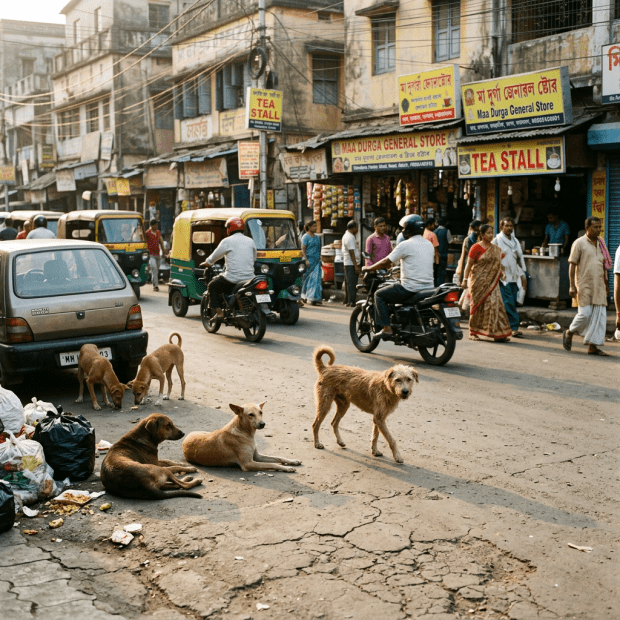
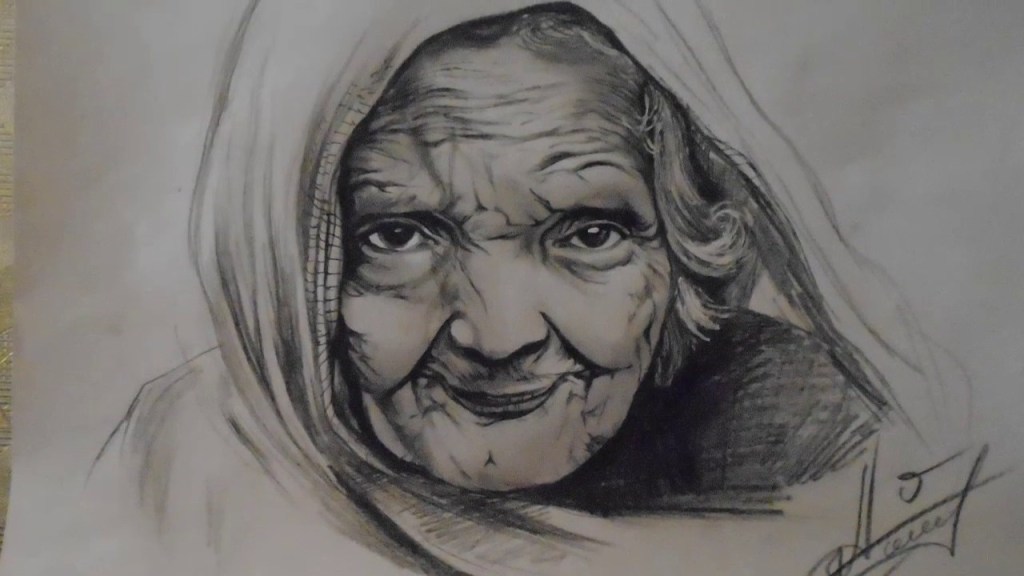
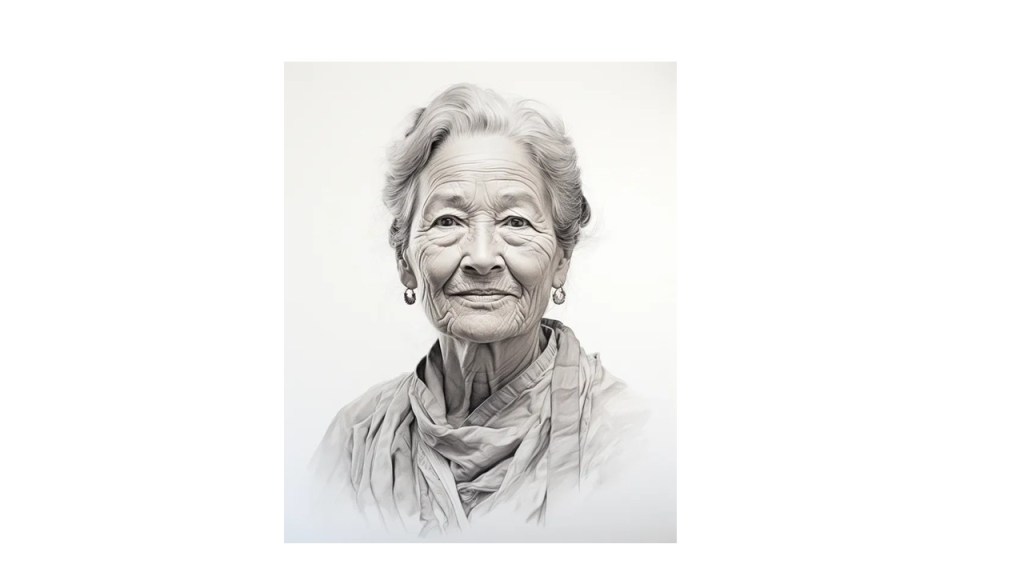

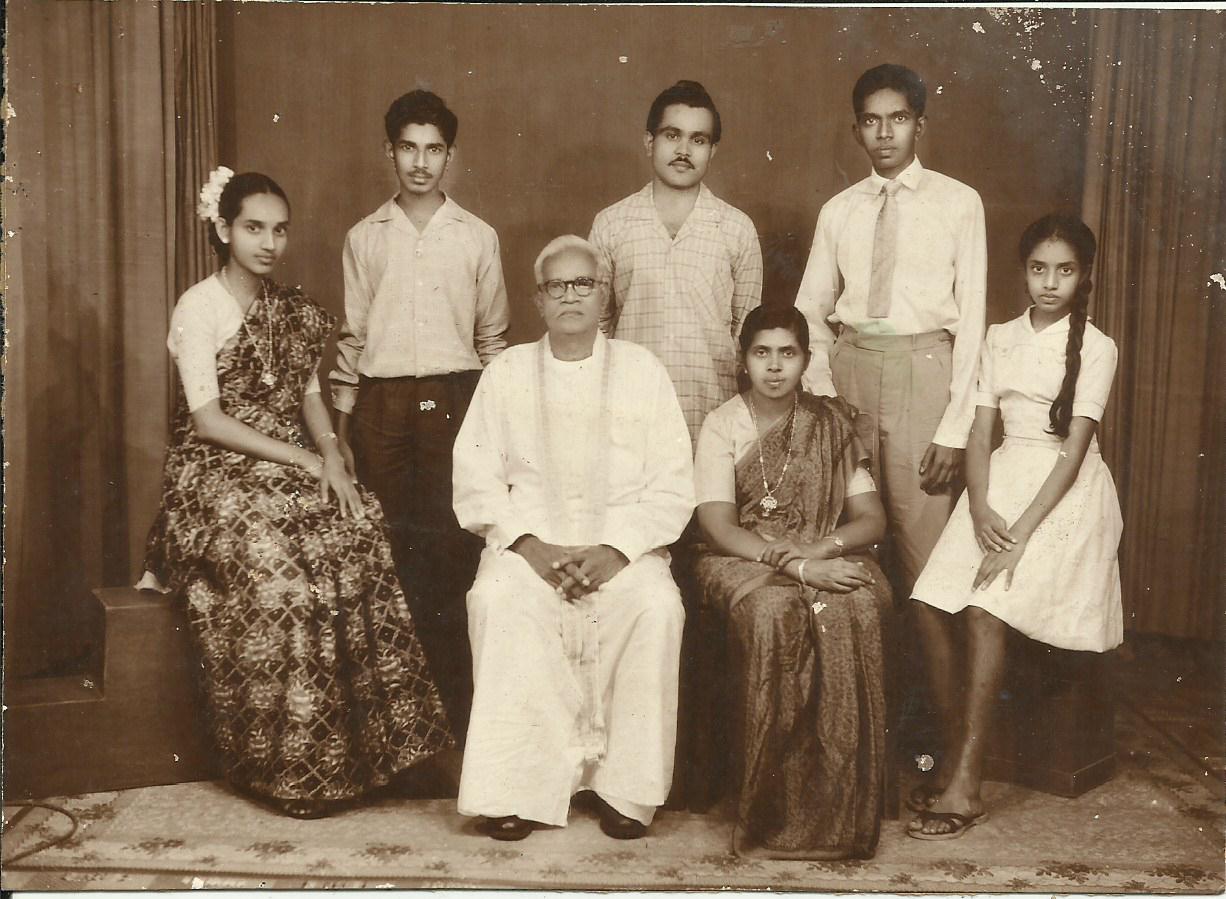
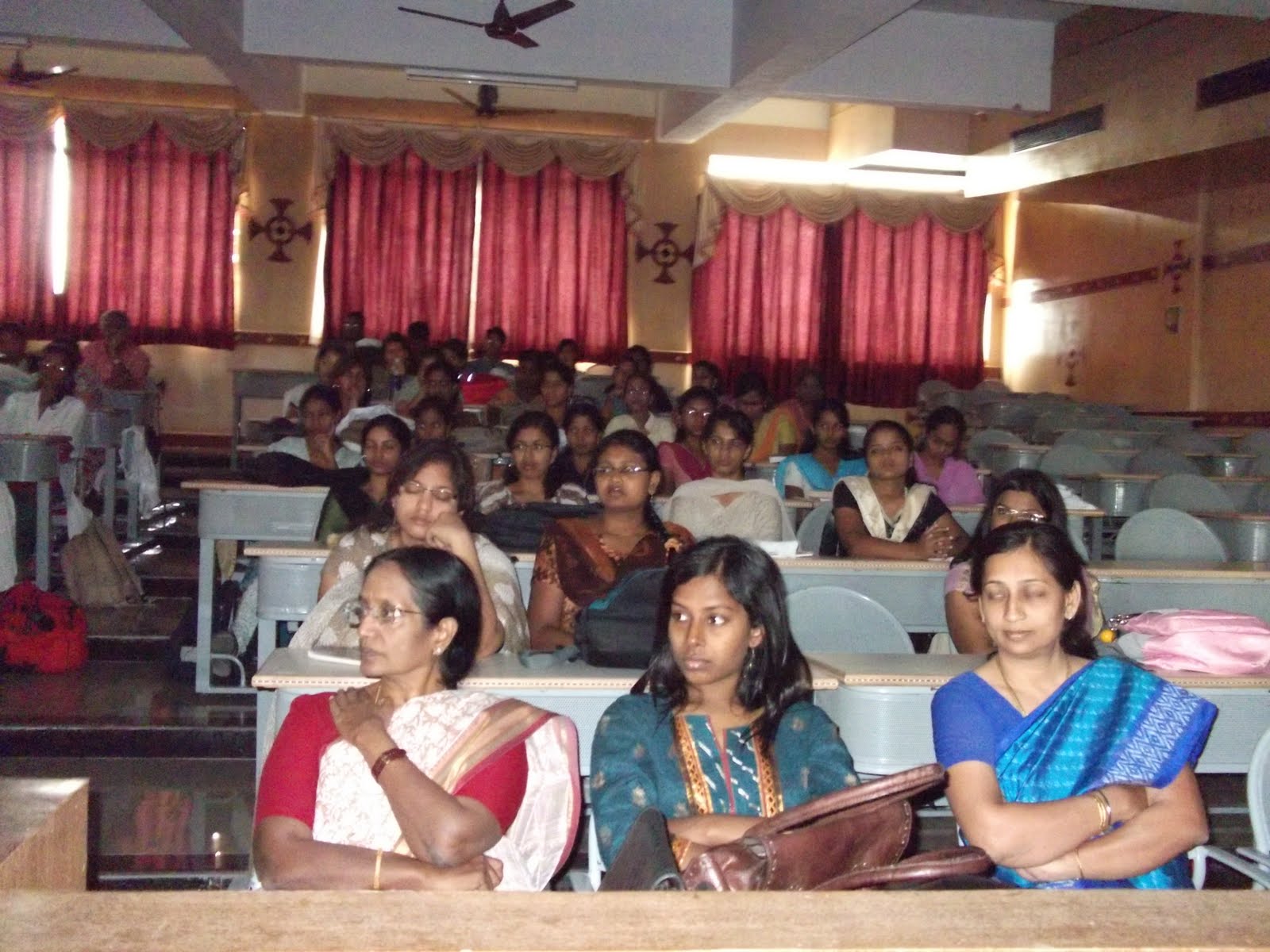
 Daisy's blogs